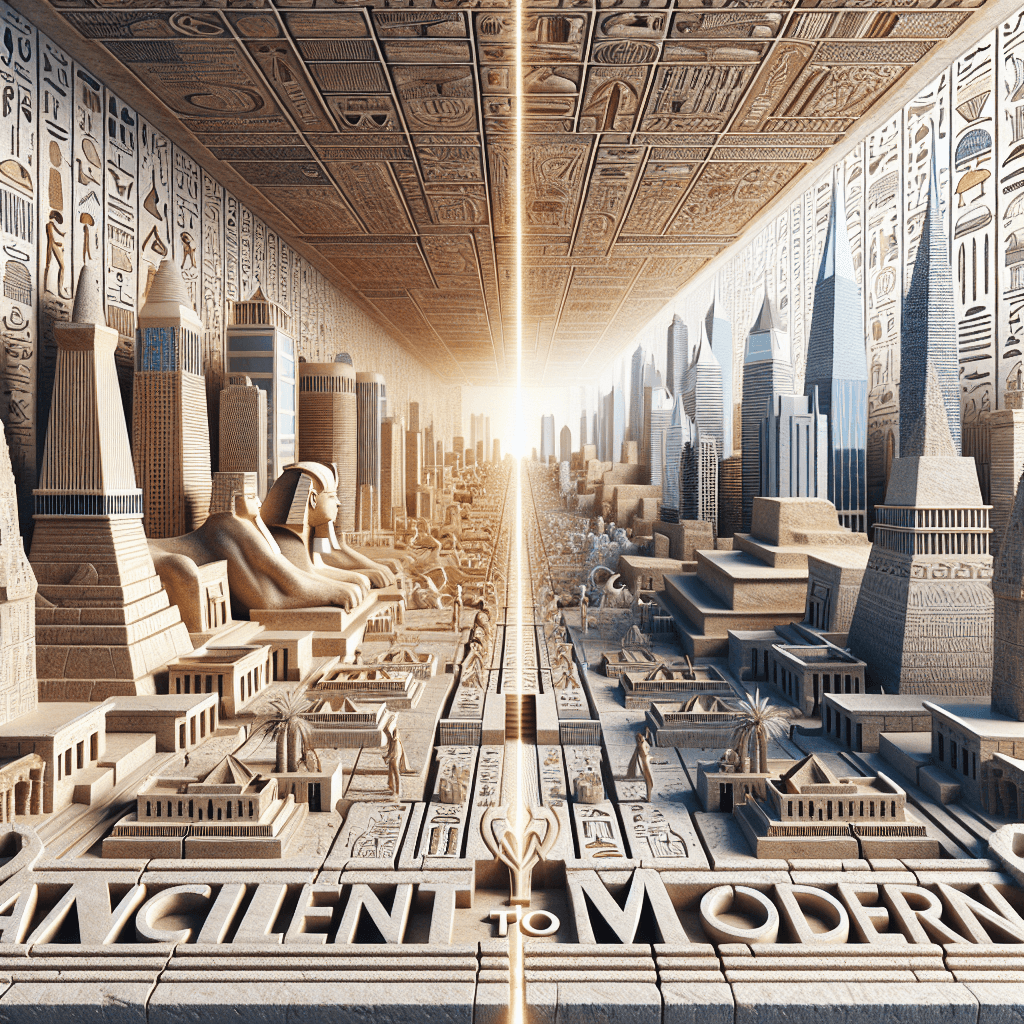
Ancient to Modern: The Complete Guide to Egyptian Stone Architecture
Introduction
Welcome aboard the time-traveling express to Egypt, where ancient stones whisper tales of pharaohs and modern architects dance with granite! In this guide, we’re diving deep into the world of Egyptian stone a term that encompasses not just the iconic pyramids but also a rich tapestry of materials that have shaped civilizations.
The story of Egyptian stone is not just about the past; it’s a vibrant thread woven into the very fabric of modern architecture. From the majestic Egyptian granite used in temples to the polished elegance of premium marble from Alexandria, these materials have transcended time, evolving alongside Egypt’s architectural styles.
But wait, there’s more! The stone industry in Egypt is booming, with local quarries supplying everything from stunning ornamental stones in Egypt to durable paving stones. Whether you’re an aspiring architect or simply a curious traveler, understanding the significance and versatility of these materials will give you a new appreciation for Egypt’s architectural wonders.
Did you know that ancient Egyptians were some of the first to master stone cutting techniques? Their innovations laid the groundwork for today’s sophisticated methods in stone restoration in Egypt.
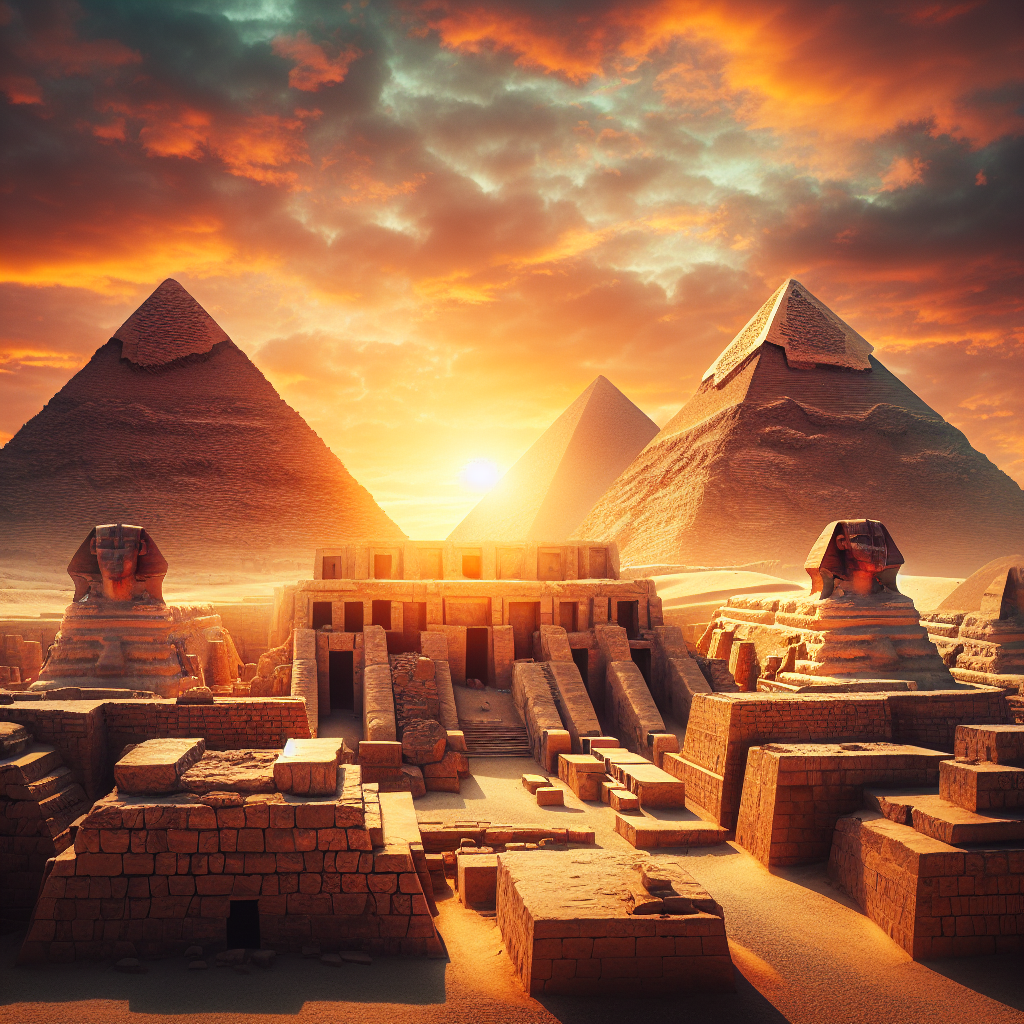
Buckle up as we explore how these historical stones have influenced modern designs and what makes them so special. Get ready to uncover everything from the intricacies of stone carvings from Egypt to insights on sourcing high-quality materials from local suppliers. Let’s rock this journey through time!
The Historical Significance of Egyptian Stones
When we think about ancient Egypt, our minds often drift to grand pyramids and majestic temples. But what truly holds these magnificent structures together? You guessed it Egyptian stones! The historical significance of these materials goes beyond mere aesthetics; they are the very fabric of Egyptian civilization.
From the time of the Pharaohs, stones have played a pivotal role in architecture and construction. Ancient Egyptians were masters at utilizing local resources, crafting some of the most enduring monuments in history. The use of natural stone Egypt not only reflects their engineering prowess but also their deep spiritual beliefs.
Overview of Ancient Egyptian Architecture
The architectural feats achieved by ancient Egyptians are nothing short of miraculous. Structures like the Great Pyramid of Giza and the temples at Karnak were built using meticulously selected stones that have withstood millennia. Each block tells a story, echoing the labor and ingenuity that went into its creation.
Importance of Stones in Historical Monuments
The importance of stones in historical monuments cannot be overstated. They serve as a testament to the civilization’s advanced understanding of engineering and art. For instance, limestone from Egypt was extensively used in temples due to its workability and durability, while granite from Egypt added an imposing grandeur to monuments.
“The architectural legacy left behind by ancient Egyptians continues to inspire modern designers and architects around the world.”
Types of Stones Used in Ancient Egypt
- Limestone: The workhorse stone used for most buildings; it’s soft enough to carve yet durable.
- Granite: Known for its strength and beauty, this stone was often used for temples and tombs.
- Sandstone: A favorite for sculptures due to its fine grain; it allowed intricate details that still amaze us today.
- Alabaster: Valued for its translucence, this decorative stone was often used in smaller sculptures and artifacts.
- Onyx: This ornamental stone found its place in luxurious finishes, showcasing wealth and status.
The legacy of these ancient Egyptian stones is not just confined to history books; they continue to influence modern architecture. Today’s architects often draw inspiration from classic designs while sourcing materials like premium marble from Alexandria or high-quality granite from Cairo suppliers. And let’s not forget about the booming market for decorative stones in Egypt!
This rich tapestry woven through time illustrates how crucial these materials have been and still are to both cultural identity and architectural innovation in Egypt. So next time you admire those awe-inspiring landmarks or even modern buildings inspired by them, remember: it’s all about that glorious Egyptian stone!
The Evolution of Stone Architecture in Egypt
The story of Egypt stone architecture is like a grand epic, weaving through time from the ancient pyramids to modern marvels. The evolution of stone architecture in Egypt showcases not just a change in style but also a reflection of societal values, technological advancements, and cultural influences.
Transition from Ancient to Modern Structures
In ancient times, the Egyptians were masters of stonework, using local materials such as limestone, granite from Egypt, and even rare stones like Egyptian alabaster. These materials were not merely functional; they were imbued with spiritual significance. The Great Pyramid of Giza, built around 2580–2560 BC, stands as a testament to their engineering prowess and aesthetic vision.
Fast forward to today, and the landscape has transformed dramatically. Modern architects now blend traditional techniques with contemporary designs. For example, the use of polished stones such as Egyptian granite in modern buildings provides durability while maintaining an aesthetic that pays homage to the past. This transition reflects a growing appreciation for sustainability and local sourcing think about how many stone suppliers Egypt has that provide high-quality materials!
Influences on Architectural Styles Over the Centuries
The architectural styles in Egypt have been influenced by various cultures over centuries. From Greco-Roman styles that introduced columns and arches to Islamic architecture that emphasized intricate tile work and arabesques, each era left its mark on Egyptian stone architecture.
- Greco-Roman Influence: Introduced new structural techniques and decorative elements.
- Islamic Architecture: Brought intricate patterns and domes into play.
- Modernism: Focuses on minimalism but often incorporates traditional Egyptian motifs.
This rich tapestry of influences shows how Egyptian architecture is not stagnant; it’s continually evolving while respecting its roots. As we look ahead, we can expect further innovations driven by technology and sustainable practices like using reclaimed historical stones or cutting-edge stone restoration techniques that breathe new life into ancient structures.

Types of Stones Used in Egyptian Architecture
When it comes to Egyptian architecture, the stones are more than just building materials; they are the very essence of history, culture, and artistry. Let’s dive into the fascinating array of Egypt stone varieties that have shaped the magnificent structures we marvel at today.
Onyx and Its Applications
Egyptian onyx is a gem in the world of decorative stones. Known for its stunning colors and translucence, this stone is often used in intricate carvings and ornamental designs. Imagine a sunlit room adorned with onyx panels that cast colorful shadows it’s like having a piece of ancient Egypt right in your home!
Marble Varieties and Their Significance
Premium marble from Alexandria has long been a favorite among architects and designers. Its fine grain and ability to be polished to a high sheen make it perfect for everything from grand columns to elegant flooring. The ancient Egyptians knew how to use this stone for monuments that would stand the test of time talk about architectural foresight!
Granite from Egypt: Characteristics and Uses
Egyptian granite is renowned for its durability and aesthetic appeal. This robust stone has been used in everything from the Great Pyramids to modern-day buildings. With its rich colors and variety, granite offers versatility that can suit both traditional and contemporary designs.
Limestone and Sandstone: Historical Context and Modern Use
Limestone, particularly from quarries along the Nile, has been a staple in Egyptian construction since ancient times. It’s soft enough to carve yet sturdy enough for monumental structures. Meanwhile, sandstone Egypt, with its warm hues, has been favored for temples and tombs, providing both strength and beauty.
Alabaster and Basalt: Unique Properties and Applications
Egyptian alabaster, known for its smooth texture and translucence, is often used in decorative elements like vases or lamps. On the other hand, basalt stone from Egypt boasts incredible strength, making it perfect for paving stones or heavy-duty construction projects.
The next time you admire an ancient monument or even a modern building using these timeless materials, remember that each stone tells a story one that connects us back to thousands of years of history!
The Role of Stone Suppliers in Egypt’s Architectural Landscape
When you think about the stunning Egyptian architecture, from the grand pyramids to modern skyscrapers, it’s easy to overlook the unsung heroes behind these masterpieces: the stone suppliers in Egypt. These are the folks who ensure that architects and builders have access to high-quality materials, making them pivotal players in shaping both ancient and contemporary landscapes.
Overview of Stone Suppliers in Egypt
Egypt’s stone industry is a vibrant mix of local quarries and international exports, bringing a variety of options to architects and builders alike. From Egyptian granite to exquisite Egyptian alabaster, suppliers offer a treasure trove of natural stones that cater to different aesthetic and structural needs. Whether you’re looking for paving stones or ornamental stones in Egypt, there’s no shortage of choices.
The Importance of Local Quarries in Construction Projects
Local quarries play a crucial role by providing materials that are not only beautiful but also sustainable. The proximity of these quarries reduces transportation costs and carbon footprints, making it easier for builders to source materials that are both high-quality and eco-friendly. This is particularly important as more projects aim for sustainability without compromising on style.
Did You Know? The stone industry in Egypt has been around for thousands of years, with historical stones like limestone and granite still being used today!
Exporting Egyptian Stones Globally: Trends and Challenges
The global demand for premium marble from Alexandria and high-quality granite from Cairo has skyrocketed, putting Egyptian stone suppliers on the map. However, this growth comes with its own set of challenges competition from other countries, fluctuating market prices, and maintaining quality standards can complicate things.
“The future lies not just in exporting our stones but in showcasing their unique qualities on a global stage.”
Additionally, many stone exporters from Egypt are now focusing on custom stone designs that cater specifically to modern architectural needs. This shift is helping them stay relevant while preserving traditional techniques like stone cutting in Egypt.
In summary, the role of stone suppliers in Egypt’s architectural landscape cannot be overstated. They provide not only essential materials but also contribute significantly to the cultural heritage reflected through architectural stones Egypt has been known for since ancient times. As we move forward into an era where sustainability meets artistry, these suppliers will continue to be at the forefront of innovation.

The Process of Stone Cutting and Carving in Egypt
When it comes to Egypt stone, the process of cutting and carving is as rich and intricate as the history behind it. From the ancient quarries to modern workshops, the art of stonework has evolved dramatically while still honoring its roots.
Traditional Methods vs. Modern Techniques
Historically, stone cutting in Egypt relied heavily on simple tools and manual labor. Workers used copper chisels, wooden sledges, and even sand to abrade stones like Egyptian limestone and granite from Egypt. This painstaking process required not just physical strength but also a keen understanding of the stone’s properties.
Today, while some artisans still practice these traditional methods, modern technology has introduced precision tools such as diamond saws and CNC machines. These advancements allow for faster production rates and more intricate designs, making it easier to create stunning custom stone designs in Egypt.
The Artistry Involved in Stone Carvings from Egypt
The artistry involved in creating stone carvings is nothing short of magical. Each piece tells a story whether it’s an ancient hieroglyph or a contemporary decorative element. Egyptian artisans are known for their exceptional skill in sculpting with Egyptian stones, transforming raw blocks into breathtaking sculptures and architectural details.
Did you know? The ancient Egyptians believed that their stone carvings could last for eternity, which is why they invested so much time into perfecting their craft!
Custom Stone Designs for Contemporary Architecture
In the modern era, architects are increasingly incorporating natural stones from Egypt into their designs. The versatility of materials like Egyptian alabaster, Egypt marble, and even polished stones Egypt offers allows for unique applications that blend tradition with innovation.
- Paving Stones: Ideal for outdoor spaces, providing both durability and aesthetic appeal.
- Ornamental Stones: Used in interior design to create luxurious finishes.
- Building Stones: Essential for structural integrity while maintaining historical authenticity.
The future looks bright for the stone industry in Egypt as new techniques meet age-old traditions. With a growing emphasis on sustainability and craftsmanship, expect to see even more innovative uses of these historical stones of Egypt in contemporary architecture!
Sustainable Practices in the Egyptian Stone Industry
As we tread deeper into the 21st century, the Egyptian stone industry is stepping up its game in sustainability. With a rich history of quarrying and stonework, it’s crucial that this ancient craft adapts to modern environmental standards. So, what exactly are these sustainable practices that are shaping the future of Egypt stone?
1. Eco-Friendly Quarrying Techniques
Gone are the days of indiscriminate blasting and extraction. Now, stone quarries in Egypt are embracing more eco-friendly methods such as:
- Selective Extraction: Only the necessary amount of stone is extracted, reducing waste.
- Water Recycling: Water used in cutting and polishing stones is recycled to minimize consumption.
- Minimal Land Disruption: Efforts are made to limit the impact on surrounding ecosystems during quarry operations.
2. Sustainable Material Sourcing
The demand for natural stone Egypt is on the rise, but so is the awareness of sustainable sourcing. Stone suppliers Egypt are now prioritizing materials that come from responsibly managed quarries. This includes:
- Local Sourcing: Reducing carbon footprints by sourcing from nearby quarries instead of importing stones from far-off lands.
- Circular Economy Practices: Using remnants from previous projects to create new products, like decorative stones Egypt or paving stones.
- CERTIFICATION: Many suppliers are seeking certifications for sustainability to attract environmentally conscious clients.
3. Innovations in Stone Processing
The process of stone cutting in Egypt has seen significant advancements thanks to technology. Innovative tools and techniques not only enhance efficiency but also reduce waste:
- CNC Machines: These precision tools minimize material loss during cutting and shaping.
- Dust Collection Systems: Advanced systems capture dust generated during processing, reducing air pollution and protecting workers’ health.
- Sustainable Adhesives and Sealants: Using eco-friendly products for stone installation helps maintain indoor air quality.
Key Takeaway:
The shift towards sustainable practices within the Egyptian stone industry not only preserves its rich heritage but also aligns with global environmental goals. As consumers become more conscious about their choices, those who embrace eco-friendly methods will lead the way in both market share and reputation.

The Future of Stone Architecture in Egypt
As we gaze into the crystal ball of architectural trends, one thing is clear: the future of Egypt stone is as bright as the sun shining over the Pyramids. With a rich history steeped in the artistry of stonework, Egypt is poised to embrace innovative techniques while honoring its ancient roots. Let’s dive into what lies ahead!
Technological Advancements in Stone Processing
The stone industry in Egypt is not just about traditional methods anymore. With advancements in technology, stone cutting and carving have become more precise and efficient. Think laser cutting and CNC machines that can sculpt intricate designs with the ease of a hot knife through butter. This shift allows for more complex designs, catering to modern architectural demands while using materials like Egyptian granite and Egyptian alabaster.
Sustainability Takes Center Stage
With global awareness on environmental issues at an all-time high, sustainability is becoming a key player in the Egyptian stone industry. Local quarries are adopting eco-friendly practices to minimize their carbon footprint, such as:
- Utilizing waste materials for decorative stones Egypt.
- Implementing water recycling systems during stone processing.
- Promoting the use of locally sourced materials to reduce transportation emissions.
Key Takeaway: By prioritizing sustainability, Egypt’s stone suppliers can not only meet modern demands but also attract environmentally conscious clients worldwide.
The Rise of Customization
The future also leans heavily towards personalization. Architects and designers are increasingly seeking custom stone designs that reflect individual tastes and styles. This trend opens up new avenues for creativity using materials such as:
- Polished stones from Egypt: Perfect for those shiny finishes that make spaces pop.
- Ornamental stones in Egypt: Ideal for adding that unique flair to any project.
- High-quality granite from Cairo suppliers: A go-to choice for durability and elegance.
A Global Marketplace
The international interest in Egyptian stones continues to grow, with more stone exporters from Egypt tapping into global markets. This presents both opportunities and challenges:
- Opportunities: Expanding market reach can lead to increased sales and brand recognition.
- Challenges: Competing with other countries’ suppliers requires innovation and quality assurance.
Cultural Preservation Meets Modern Design
The fusion of ancient techniques with modern aesthetics is set to redefine how we view architecture in Egypt. The monuments of Egyptian stones will serve as inspiration for contemporary buildings, creating a dialogue between past and present. Imagine modern skyscrapers adorned with intricate carvings reminiscent of ancient temples now that’s a sight worth seeing!
In conclusion, the future of stone architecture in Egypt promises a thrilling blend of tradition and innovation. As we continue to embrace new technologies while preserving our rich heritage, there’s no doubt that Egyptian stones will remain at the forefront of architectural excellence for years to come!
Conclusion
As we wrap up this journey through the sands of time, it’s clear that Egypt stone is not just a building material; it’s a testament to human ingenuity and artistic expression. From the awe-inspiring pyramids to the intricate carvings that tell tales of gods and pharaohs, Egyptian stones have shaped not only the skyline of Cairo but also the very essence of architectural history.
Today, with the stone industry in Egypt thriving, we witness a fascinating blend of ancient techniques and modern innovations. Whether it’s sourcing premium marble from Alexandria or exploring granite from Egypt for contemporary designs, the options are as rich as the history behind them.
Key Takeaway: The evolution of stone architecture in Egypt reflects a continuous dialogue between past and present. By embracing sustainable practices and innovative designs, we can ensure that these historical stones remain relevant and revered for generations to come.
As you consider your next construction project or decorative stone needs, remember that working with local stone suppliers in Egypt not only supports the economy but also connects you to a lineage of craftsmanship that spans millennia. So whether you’re after ornamental stones in Egypt or high-quality granite from Cairo suppliers, you’re partaking in a legacy that is both timeless and transformative.
The future beckons with exciting prospects in stone restoration in Egypt and custom stone designs that honor tradition while pushing boundaries. As we look forward, let’s celebrate and preserve these magnificent materials that have stood the test of time because every block tells a story worth telling.